Key Takeaways:
- How Understaffing Causes Harm: Understaffing in nursing homes can contribute to harm when too few caregivers are on duty to provide the repositioning, meals, help with toileting, and supervision residents depend on.
- How Families Can Tell: Orlando and Central Florida families can match a loved one’s injury to the care it required, then check the daily direct care chart, care plan, posted staffing, and inspection history for gaps.
- What Matters Most: Florida treats a staffing shortfall as evidence of negligence rather than automatic liability, so the connection between a missed task of care and a specific injury carries the most weight.
Many families first sense that a loved one went without needed care when a small detail comes to light after an injury, such as a hospital nurse asking how long their mother waited for help or a care record with hours left blank. That moment often brings worry and second-guessing, yet Florida law gives Orlando and Central Florida families concrete ways to find out whether understaffing in nursing homes played a part in a fall, a pressure injury, or a sudden decline. Those answers often live in the facility’s own records, and Warner and Warner’s nursing home neglect attorneys help families read them closely.
What Is Understaffing in Nursing Homes?
Understaffing in nursing homes occurs when a facility has too few caregivers on duty to deliver the care its residents need. Under §400.23(3)(b), Florida requires every facility to base its staffing on an assessment of its residents and each resident’s care plan, and §400.022(1)(l) guarantees each resident adequate and appropriate care consistent with that plan.
What Are Florida’s Nursing Home Staffing Requirements?
Florida’s minimum staffing standards under §400.23(3)(b) give families a measurable way to evaluate understaffing in healthcare facilities like nursing homes, requiring each one to provide:
- 3.6 hours of total direct care per resident per day, averaged over each Sunday-through-Saturday week.
- 2.0 hours of certified nursing assistant (CNA) care per resident per day, with at least one CNA for every 20 residents.
- 1.0 hour of licensed nurse care per resident per day, with at least one licensed nurse for every 40 residents.
- Daily posting of the names of the licensed nurses and CNAs on duty, available to residents and the public.
Florida’s Staffing Minimum Is a Floor: Florida averages the 3.6-hour standard across a full week, so a nursing home can meet it overall while still running short on a particular night or weekend. Florida law also says a facility cannot rely on meeting the state minimum to prove it met the federal standard for having enough nursing staff, so the question that matters most is whether staffing met your loved one’s needs.
Which Injuries Are Commonly Linked to Understaffing in Nursing Homes?
When a nursing home is short-staffed, the hands-on care residents rely on, like repositioning, meals, and help getting to the bathroom, is usually the first to slip. An injury on its own does not prove understaffing in nursing homes was to blame, so these common examples pair each injury with the care it called for and the record that should show whether staff provided it:
| Injury | Staff-Dependent Care | Record That Should Show It |
| Pressure injuries (Bedsores) | Repositioning per the care plan | Daily direct care chart and turning records |
| Dehydration and malnutrition | Help with eating and drinking | Daily chart logs of food and fluid offerings |
| Falls and fractures | Supervision and help with transfers, walking, and toileting | Care plan and fall risk assessments |
| Medication errors | On-time administration of correct doses | Medication administration record (MAR) |
| Hygiene-related infections | Incontinence care and bathing | Daily care records |
“An injury tells a family that something went wrong, but the care records tell them why. When the chart shows care that never happened on a shift with too few caregivers, that gap is often where the answers begin.”— Debbie Warner, Warner and Warner
How Can You Tell If Understaffing Contributed to Your Loved One’s Harm? Red Flags, Records, and Inspection History
Tracing an injury back to staffing starts with what your family noticed, often through conversations with a loved one, other visitors, or hospital staff, then moves to the facility’s records and its public history:
- The injury happened overnight, on a weekend, or at a shift change, when fewer caregivers may have been on duty.
- Your loved one describes long waits after using the call light, or says no one came at all.
- One aide covered an entire hall, or temporary agency staff did not know your loved one’s care plan.
- Staff physically restrained your loved one or used sedating medication to manage behavior more often, even though §400.022(1)(o), one of Florida’s nursing home resident rights, prohibits using restraints in place of staff supervision.
- The posted staffing sheet did not match the caregivers on the floor.
- Other residents showed the same problems, such as missed meals or soiled bedding, during the same period.
Any one of these signs can have an innocent explanation, but when several cluster around an injury, they point families to the exact date, shift, and caregivers worth examining in the records, and Warner and Warner can help families review that evidence together.
Which Records Can Show Whether a Shift Was Short-Staffed?
Florida requires nursing homes to document each resident’s care and the staff who provided it, and families can request:
- The daily direct care chart, which§400.141(1)(r) requires staff to complete by the end of each shift, recording help with daily activities, eating, and drinking.
- The care plan, which lists each prescribed service with its frequency and duration, giving families the benchmark to measure the chart against.
- Medication records and nursing notes, which can reveal late or missed doses and how staff responded to changes in condition.
- Posted staffing information, including the daily staff names Florida requires and the nurse staffing data federal rules require facilities to share on request.
- The resident’s records, due within 14 working days for a current resident or 30 for a former resident under§400.145, including for a loved one who has passed away.
Compared shift by shift, these records can show whether missed care tracks understaffing in nursing homes.
Where Can Families Check a Nursing Home’s Staffing and Inspection History?
A facility’s inspection history can show whether understaffing in healthcare was isolated or ongoing, and Central Florida families can start with the most recent inspection results, which residents may ask to examine under §400.022(1)(g). For a wider view, Florida’s Agency for Health Care Administration (AHCA) posts the facility’s inspection reports and statements of deficiencies on FloridaHealthFinder, while Medicare’s Care Compare tracks its staffing levels, weekend staffing, and turnover. Read together, these sources help families see whether a gap in a loved one’s records fits a pattern of understaffing in nursing homes.
Have More Questions About Understaffing in Nursing Homes?
Orlando and Central Florida families looking into understaffing in healthcare facilities like nursing homes often bring Warner and Warner these questions:
1. Can You Sue a Florida Nursing Home for Understaffing?
Yes, families may pursue a claim when understaffing contributed to a loved one’s injury. Under §400.023, a staffing violation counts as evidence of negligence but does not prove the claim on its own, so the family must connect the shortfall to the harm, with or without an AHCA citation. Responsibility can also extend to a management company that controls staffing levels, as covered in how to prove nursing home negligence in Florida.
2. Who Counts Toward Florida’s Nursing Home Staffing Hours?
Under §400.23(3), Florida counts “direct care staff,” meaning nursing, dietary, therapeutic, and mental health staff who provide care through contact with residents or resident care management, but not employees whose main duties are housekeeping, laundry, or food preparation. Trained paid feeding assistants count toward the 3.6-hour total but not the CNA or licensed nurse minimums.
3. Does a High Staffing Star Rating Mean a Nursing Home Is Fully Staffed?
Not necessarily, because a Care Compare rating reflects a facility’s general staffing pattern rather than who worked a specific shift, CMS builds the rating from quarterly payroll data, so families researching understaffing in healthcare facilities get the clearest picture by pairing it with posted staffing and records from the date of the injury.
4. How Long Do Nursing Homes Have to Keep Staffing Records in Florida?
Florida requires nursing homes to keep the records documenting their compliance with minimum staffing standards for five years under §400.23(3)(b), and federal rules require facilities to keep their posted daily nurse staffing data for at least 18 months, or longer if state law requires. Those retention rules mean the staffing records from the date of an injury should remain on file, giving families a reliable place to look for gaps linked to understaffing in nursing homes.
When Records Point to Understaffing in Nursing Homes, Warner + Warner Can Help
Families deserve clear answers when a facility they trusted fails a loved one, and the staffing records often hold those answers. For more than 25 years, Warner and Warner’s experienced trial attorneys have represented Orlando and Central Florida families in nursing home negligence cases. That experience helps them read care and staffing records closely, anticipate how insurers defend these claims, and fight vigorously for accountability. Families wondering whether understaffing in nursing homes contributed to a loved one’s harm can read what past clients say and contact Warner and Warner for a confidential consultation. There is no fee unless there is a recovery.
External Sources and References
- Florida Statutes §400.022, Residents’ Rights (The Florida Senate, 2026):https://www.flsenate.gov/Laws/Statutes/2026/400.022
- Florida Statutes §400.023, Civil Enforcement (The Florida Senate, 2026):https://www.flsenate.gov/Laws/Statutes/2026/400.023
- Florida Statutes §400.141, Administration and Management of Nursing Home Facilities (The Florida Senate, 2026):https://www.flsenate.gov/Laws/Statutes/2026/400.141
- Florida Statutes §400.145, Copies of Records of Care and Treatment of Resident (The Florida Senate, 2026):https://www.flsenate.gov/Laws/Statutes/2026/400.145
- Florida Statutes §400.23, Rules; Evaluation and Deficiencies; Licensure Status (The Florida Senate, 2026):https://www.flsenate.gov/Laws/Statutes/2026/400.23
- 42 CFR § 483.35, Nursing Services (Electronic Code of Federal Regulations):https://www.ecfr.gov/current/title-42/chapter-IV/subchapter-G/part-483/subpart-B/section-483.35
- FloridaHealthFinder (Florida Agency for Health Care Administration):https://quality.healthfinder.fl.gov/
- Medicare Care Compare (Centers for Medicare & Medicaid Services):https://www.medicare.gov/care-compare/
About The Author

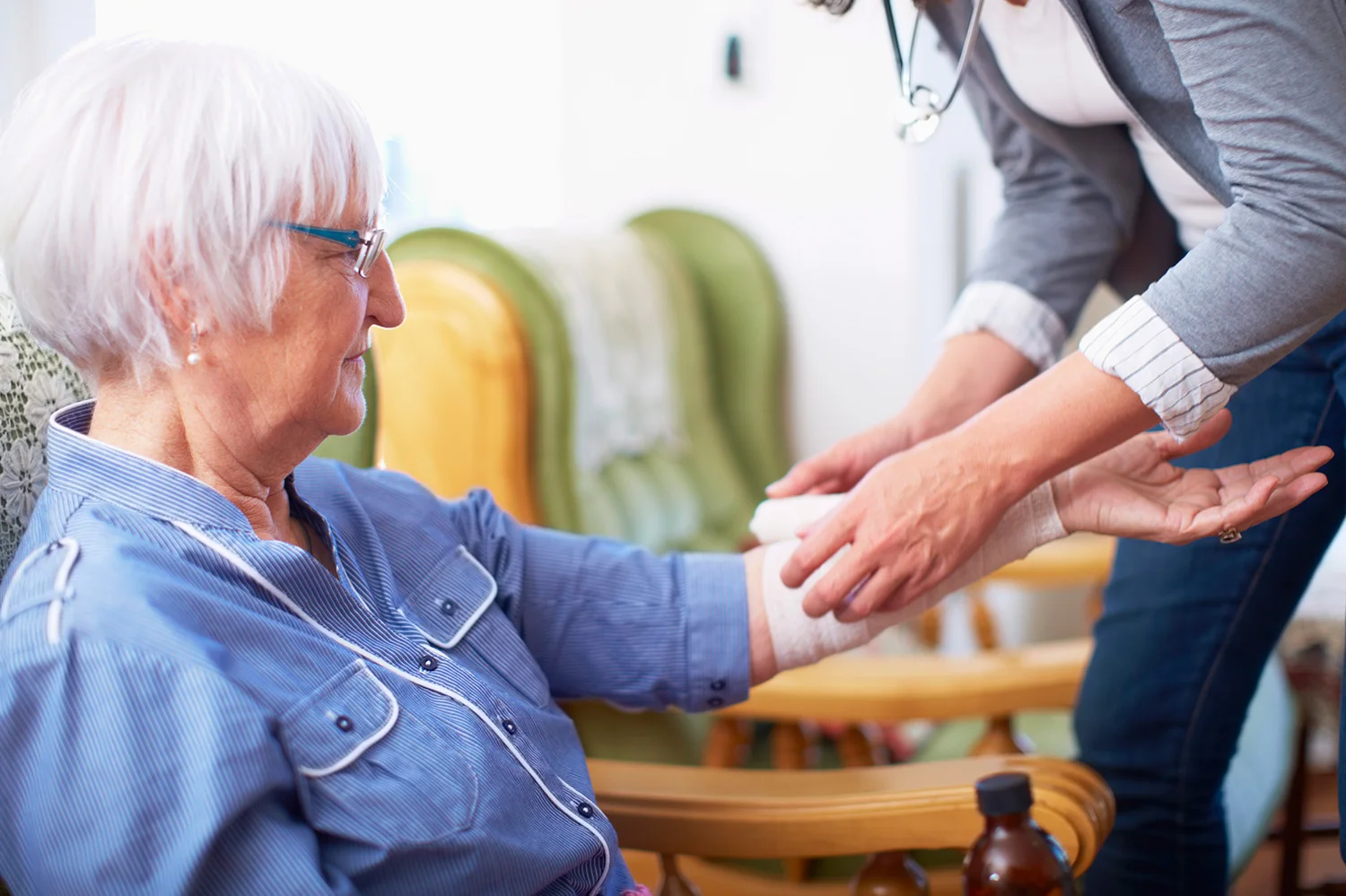
Wound records are written in numbers, dates, and blank spaces. Would you know what each entry should say, and what a missing one means?
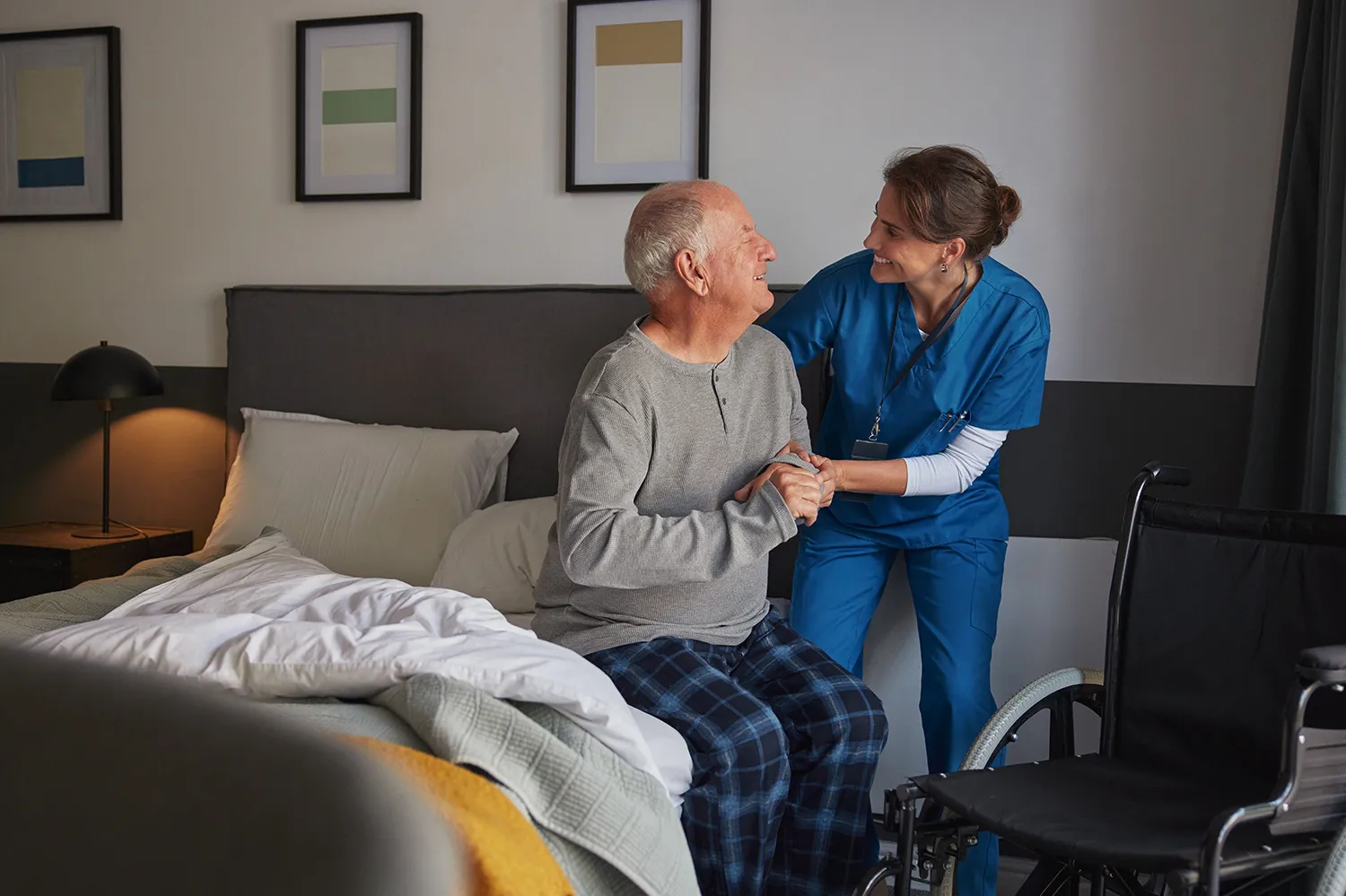
The pages of a bedsore prevention chart can quietly tell two different stories. Do you know which details reveal the real one?

Florida law applies distinct rules to assisted living facilities and nursing homes. Learn how a facility's legal classification dictates your family's legal options, governing statutes, and pathways to accountability following neglect.