

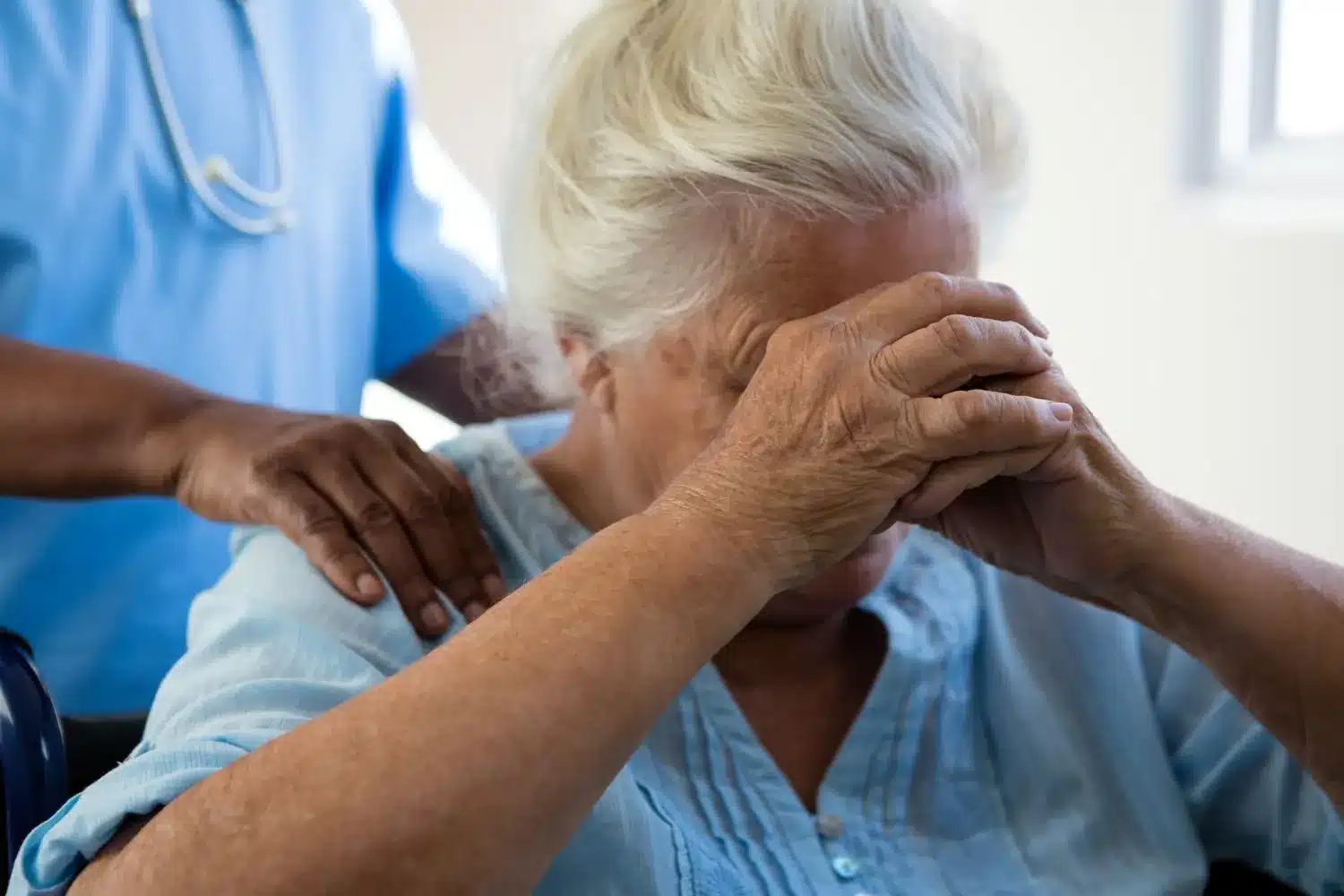
When you notice your mother has developed a pressure ulcer or your father has unexplained bruises and injuries, the question that follows is among the hardest a family can face: Is someone failing to care for the person I love? Families in Orlando and Central Florida place their loved ones in nursing homes with the expectation of safety, competent care, and dignity. When that trust is broken, and there are signs of nursing home negligence, knowing how to prove nursing home negligence under Florida law—and working with a Florida nursing home abuse lawyer—becomes essential to protecting your loved one and pursuing accountability.
Step 1: What Are the Warning Signs of Nursing Home Negligence?
Recognizing the difference between normal aging and preventable neglect is often the first step families take in protecting a loved one. Warning signs of nursing home abuse or neglect include:
- Unexplained injuries — bruises, fractures, cuts, or burns that staff cannot or will not explain.
- Bedsores or pressure ulcers — particularly Stage 3 or 4 wounds or deep tissue injuries (DTI), which indicate prolonged periods without repositioning or pressure offloading.
- Sudden or unexplained weight loss — can signal a lack of adequate nutrition, dehydration, or an inability to eat unassisted.
- Poor hygiene — soiled clothing or bedding, unwashed hair, body odor, untrimmed nails.
- Untreated medical conditions — infections, wounds, or chronic conditions that worsen without intervention.
- Medication errors — missed doses, wrong medications, or unexplained changes in medications.
- Emotional withdrawal or fear — reluctance to speak in front of staff, flinching, or visible anxiety around certain caregivers.
- Evasive or defensive facility staff — refusal to answer questions, inconsistent explanations, or reluctance to allow family visits.
Not every instance of weight loss, injury, or skin breakdown constitutes negligence. The key is whether the facility met its legal duty to prevent and treat these conditions:
| Condition | Normal Aging | Preventable Neglect |
| Weight Loss | Gradual decline due to reduced appetite or chronic illness with documented nutritional support | Sudden, significant weight loss with no medical explanation or intervention; signs of dehydration |
| Skin Breakdown | Minor skin irritation managed with treatment | Stage 3–4 pressure ulcers from prolonged immobility without repositioning |
| Falls | Isolated fall with immediate incident report and preventive measures | Multiple falls with no safety plan, inadequate supervision, or missing incident documentation |
When these signs appear in combination, or when staff cannot provide a clear, consistent explanation, families should treat the situation seriously and move to Step 2.
Step 2: What Evidence Is Needed to Prove Nursing Home Negligence Under Florida Law?
Once you recognize warning signs, time becomes critical. Experienced Florida nursing home abuse lawyers understand that building a winnable nursing home negligence case comes down to evidence — what you document, when you document it, and how you preserve it before facilities can explain it away. The most critical forms of evidence include:
- Medical records. Hospital records, physician notes, nursing assessments, care plans, medication administration records, and treatment records. Under Florida law, families have the right to request and obtain these records. Compare records from before and after the incident to show changes in condition.
- Photographs and videos. Visual documentation of injuries, unsanitary conditions, or unsafe environments is powerful evidence. Take photographs in good lighting from multiple angles, and include both close-ups and wider shots that show context. Time-stamped photos are especially valuable.
- Witness statements. Statements from family members, other residents, visitors, or facility staff who observed neglect or can speak to the resident’s condition provide critical context. Document who saw what, when, and under what circumstances.
- Facility records. Incident reports, staffing schedules, inspection reports, and state survey findings reveal patterns of understaffing, repeated violations, or systemic failures. Request these through your attorney, as facilities are required to produce them during the discovery process.
- Expert testimony. Medical experts, geriatric care specialists, or nursing home administration experts establish what the standard of care required, how the facility failed to meet it, and how that failure caused harm. Florida courts rely heavily on qualified expert testimony in negligence cases.
Best practice for evidence preservation: Within 24 hours of discovering potential neglect, request written incident reports from the facility and begin a dated journal documenting what you observed and who was present. Avoid recording opinions or conclusions; stick to factual observations. Evidence collected in the first 48 hours carries more weight than later evidence developed after facilities coach staff or “revise” records. At Warner and Warner, we begin evidence collection immediately — before that window closes.
Step 3: What Legally Constitutes Nursing Home Negligence in Florida?
With evidence in hand, families must understand the legal framework that governs nursing home negligence claims. Under Florida law, these claims are governed by Chapter 400 of the Florida Statutes, which establishes comprehensive standards of care nursing homes must provide — including basic caregiving duties like feeding, repositioning, hygiene, and supervision, as well as protections for resident safety, dignity, and autonomy. To establish a nursing home negligence claim in Florida, four elements must be proven:
| Element | What It Means | In a Nursing Home Neglect Context |
| Duty of Care | The facility had a legal obligation to provide adequate care | Under Florida Statutes §400.022 and §400.023, nursing homes owe residents a duty to provide safe, competent care |
| Breach of Duty | The facility failed to meet the required standard of care | Staff failed to reposition a bedridden patient, failed to provide adequate nutrition, or ignored signs of infection |
| Causation | The breach directly caused or substantially contributed to the resident’s harm | The failure to reposition resulted in Stage 4 pressure ulcers that required surgical intervention |
| Damages | The resident suffered measurable harm | Pain and suffering, medical expenses, worsening health, emotional distress, or wrongful death |
Proving causation requires qualified medical expert testimony to establish that the facility’s failures — not the resident’s underlying health conditions — caused the harm. Finding the best attorney for nursing home neglect cases means finding someone who understands both the medical evidence and Florida’s procedural requirements.
Step 4: What Are Florida’s Pre-Suit Requirements and Filing Deadlines for Nursing Home Negligence?
Nursing home neglect lawyers in Florida know that missing these deadlines can permanently bar your family’s right to pursue accountability. Before filing, Florida law requires pre-suit investigation culminating in a certification that the attorney conducted a reasonable investigation giving rise to a good faith belief that grounds exist to pursue a claim against each prospective defendant, the family must notify the facility by triggering a 75-day investigation period, and both sides conduct discovery while the statute of limitations is tolled. Under Florida Statutes §400.0236), families have two years from the date of the negligence to file a claim or two years from the time the negligence is discovered, with a four-year repose that precludes any action based on negligence that occurred more than 4 years prior. Proceeding without a Florida nursing home abuse lawyer risks missed deadlines and dismissed claims.
Frequently Asked Questions About Proving Nursing Home Negligence in Florida
These are the questions the Florida nursing home abuse lawyers at Warner and Warner hear most often from families who are weighing their options after suspected neglect.
- What Should I Do If I Suspect Nursing Home Neglect? Document what you observed within 24 hours — photograph visible injuries, write down specific details (date, time, who was present), and request written incident reports from the facility. Report suspected abuse to the Florida Abuse Hotline at 1-800-962-2873. Request copies of all medical records. Consult with an experienced nursing home neglect lawyer in Orlando quickly, as Florida’s pre-suit requirements and strict filing deadlines make early legal consultation essential. If your loved one is in immediate danger, call 911 first.
- What if the Facility Retaliates After I Report? Retaliation is illegal under Florida law. Facilities that engage in retaliatory conduct — such as reducing care, isolation, or discharge in retaliation for complaints — face regulatory action and additional civil liability. If you suspect retaliation, document it immediately and report it to the Florida Agency for Health Care Administration and your attorney.
- What’s the Difference Between Poor Care and Actionable Negligence? Not every instance of substandard care rises to the level of actionable negligence. To pursue a legal claim, the facility’s conduct must fall below the accepted standard of care, and that failure must have caused significant harm. Finding the best attorney for nursing home neglect cases in Florida requires looking for someone who will honestly assess your case. At Warner and Warner, we do not take cases we do not believe we can win.
Speak with Florida Nursing Home Neglect Lawyers Near You
When a loved one has been harmed by inadequate care in an Orlando or Central Florida nursing home, nursing home neglect lawyers in Central Florida help families pursue accountability. As Florida nursing home abuse lawyers, Warner and Warner have spent decades representing families throughout Central Florida with the integrity, honesty, and compassion each situation demands. That experience matters. To discuss your situation, contact Warner and Warner for a confidential consultation.