

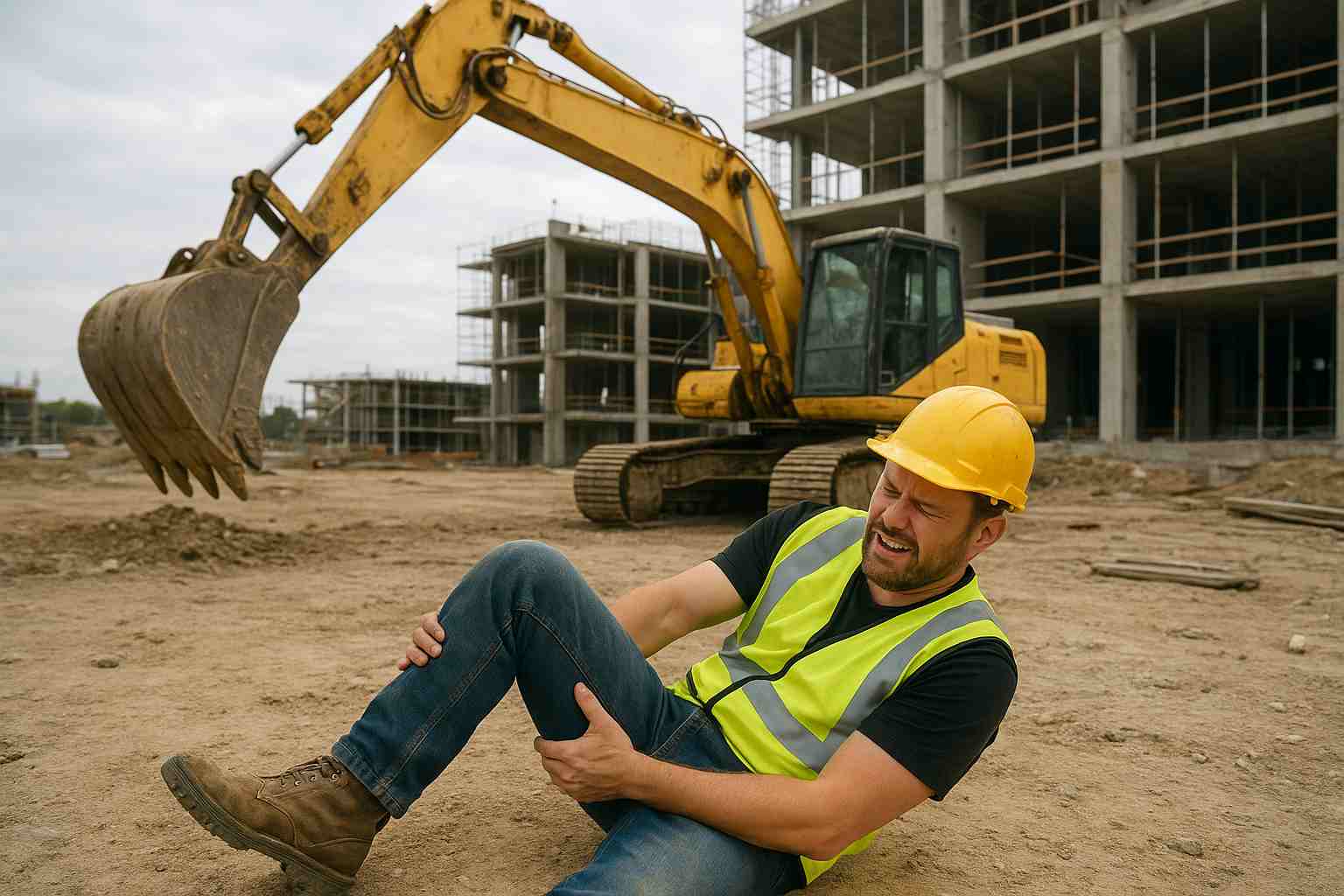
Construction work is inherently dangerous, and accidents can happen even when safety precautions are followed. But sometimes, the cause of an injury doesn’t come from your employer’s site at all. It can also come from a neighboring construction site. That raises an important legal question: Can neighboring site owners be liable in construction accidents?
The answer is yes, under certain circumstances. Understanding how liability works when multiple projects overlap can help injured workers or bystanders know whether they’re entitled to additional construction injury compensation. Let Warner & Warner shed light on the topic through this blog.
Why Your Employer’s Site Isn’t Always the Culprit
Construction work carries inherent risks that you accept every time you clock in. You understand that despite your best efforts and proper safety measures, accidents can still happen. However, what you shouldn’t have to accept is becoming a victim of someone else’s negligence—especially when that negligence comes from a completely different construction company working nearby.
When multiple construction projects operate in close proximity, the potential for cross-contamination of hazards increases exponentially. You might be working diligently within the safe boundaries of your employer’s site, only to be struck by consequences of poor safety practices from an adjacent project. This isn’t your fault, and it’s certainly not something your workers’ compensation should have to cover alone.
Florida law allows victims of construction accidents to pursue claims against third parties beyond their direct employer. This can significantly impact your potential recovery since workers’ compensation alone often doesn’t cover the full cost of medical care, lost wages, and long-term disability.
The Complex Web of Multi-Site Liability
Florida’s bustling construction industry means you’ll frequently encounter situations where multiple projects run simultaneously in tight quarters. Downtown Orlando, Tampa, Miami, and other growing cities showcase this reality daily. One site might be your employer’s domain, managed with strict safety protocols and proper oversight. Right next door, however, a different company might be cutting corners, ignoring safety regulations, or simply failing to contain their hazards within their designated boundaries.
When these failures from neighboring sites cause your injury, Florida law recognizes that you deserve more than just standard workers’ compensation. You have the right to pursue additional claims against third parties whose negligence contributed to your accident. This legal principle can transform your financial recovery from barely adequate to truly comprehensive.
The stakes here are significant. While workers’ compensation provides basic coverage for medical expenses and partial wage replacement, it rarely covers the full scope of your losses. When you can prove that a third party shares responsibility for your injuries, you open the door to substantially greater compensation that addresses the real impact on your life.
When Neighboring Sites Cross the Line Into Liability
Understanding the specific circumstances that create multi-site liability helps you recognize when you might have additional legal options. These situations occur more frequently than many injured workers realize:
- Airborne Hazards: Tools, construction materials, or debris that become projectiles from adjacent sites pose serious threats. Whether it’s a hammer dropped from height, lumber blown by wind, or chunks of concrete from demolition work, these hazards don’t respect property boundaries.
- Equipment Overreach: Heavy machinery operators sometimes work beyond their designated zones. When cranes swing their loads over your worksite, forklifts venture into shared areas, or excavators dig too close to property lines, they create dangerous conditions that can lead to catastrophic injuries.
- Structural Failures: Neighboring sites that fail to properly secure their scaffolding, fencing, or temporary structures put everyone at risk. When these installations collapse or shift, the consequences can spill over onto adjacent work areas.
- Contaminated Conditions: Poor housekeeping, inadequate signage, or improperly stored hazardous materials from neighboring sites can create dangerous conditions that extend beyond their boundaries.
- Subcontractor Negligence: When subcontractors from adjacent sites work across property lines or fail to coordinate their activities with your site’s safety protocols, their actions can create unexpected hazards.
Each of these scenarios requires careful investigation to establish liability, but the potential rewards justify the effort involved.
Beyond Workers’ Compensation: Your Path to Full Recovery
Here’s where understanding your rights becomes crucial to your financial future. If your injury stems solely from hazards within your employer’s control, workers’ compensation typically represents your primary recourse. While this coverage provides essential benefits, it operates within strict limitations that may leave significant gaps in your recovery.
However, when third-party negligence contributes to your accident, you gain access to personal injury remedies that can address the full scope of your damages. This could mean additional construction injury compensation for:
- Complete Medical Coverage: Rather than accepting workers’ compensation’s limited medical benefits, you can pursue full reimbursement for all necessary treatment, including experimental therapies, out-of-network specialists, and long-term care needs.
- Total Income Replacement: Instead of workers’ compensation’s partial wage replacement, you can seek compensation for your complete lost earning capacity, including future income you’ll never be able to earn due to your injuries.
- Quality of Life Damages: Personal injury claims allow you to seek compensation for pain and suffering, emotional distress, loss of enjoyment of life, and other intangible losses that workers’ compensation doesn’t address.
- Property Restoration: If your personal belongings were damaged or destroyed in the accident, third-party claims can provide full replacement value rather than leaving you to absorb these losses.
Building Your Case: The Evidence That Matters
Establishing multi-site liability requires methodical investigation and compelling evidence. Your legal team must demonstrate not only that the neighboring site’s actions caused your injuries, but also that those actions fell below acceptable safety standards.
Critical evidence includes detailed accident reports from all involved parties, OSHA documentation, surveillance footage that captures the incident, witness statements from workers across multiple sites, and expert testimony from engineers and safety professionals who can reconstruct the accident and identify violations.
Why Professional Legal Guidance Changes Everything
Multi-site construction accidents create legal complexities that demand specialized expertise. You’re dealing with multiple insurance companies, competing narratives about fault, and intricate questions of liability that can significantly impact your recovery.
At Warner & Warner, we understand that your construction injury represents more than just a workplace accident. It’s a life-changing event that deserves comprehensive justice. If neighboring site negligence contributed to your injuries, we’re committed to investigating thoroughly and pursuing every avenue for compensation.
Contact us today for a free consultation and discover how we can help you secure the full recovery you deserve.