When a family places a loved one with a developmental disability in a group home, or an aging parent in a nursing home, they are trusting that Florida has established standards for how that facility operates and what happens when it falls short. That trust is not misplaced, but the standards differ significantly depending on the facility type. Florida law addresses abuse in group homes through four mechanisms: licensing requirements that create the legal duty of care, a statutory Bill of Rights, a mandatory investigation process, and civil legal remedies — each operating differently than its nursing home equivalent, and each carrying practical consequences for families when a facility fails a resident.
How Does Florida’s Licensing Framework Protect Against Abuse in Group Homes?
Florida protects disabled adults from abuse in group homes by requiring every facility to hold a state license under Florida Statute Chapter 393. That license creates the legal duty of care the facility owes to every resident, and every licensed group home must satisfy Chapter 393’s requirements as a condition of operating in Florida. That framework includes:
- Licensing, monitoring, and compliance fall to the Agency for Persons with Disabilities (APD), Florida’s state agency overseeing this population and the contact for families when a group home violates its obligations.
- Care standards prioritizing community integration, independence, and a family-type living environment, meaning the facility’s legal duty runs to the resident’s quality of life and autonomy, not just their medical safety.
- Physical facility and safety standards under Rule 65G-2.007, Florida Administrative Code, covering minimum bedroom space, individual beds with clean mattresses, at least three nutritious meals daily, laundry access, water hazard supervision, and indoor temperatures between 68 and 80 degrees.
Nursing homes are licensed under Florida Statute Chapter 400 by AHCA and must meet federal requirements under 42 CFR Part 483 for Medicare and Medicaid participation. This creates a dual accountability structure that shapes how nursing home complaints proceed differently from group home abuse claims.
What Legal Rights Does Florida Give Disabled Adults in Group Homes?
Florida protects disabled adults from abuse in group homes by giving them a statutory Bill of Rights under §393.13, Florida Statutes; specific, enforceable legal protections that every licensed group home must honor, with legal consequences for violations.
- The right to dignity, respect, and humane care at all times.
- The right to be free from abuse, neglect, and exploitation.
- The right to receive adequate medical, dental, and personal care.
- The right to communicate freely with family and visitors.
- The right to make informed choices about care and services.
- Protection from the use of physical or chemical restraints. These are only allowed with written medical authorization, documented necessity, and regular physician review.
Nursing home residents hold rights under §400.022, Florida Statutes, which adds specific clinical rights to the medical care environment: the right to participate in and refuse treatment, financial safeguards when a facility manages personal funds, and a mandatory discharge notice. For a full breakdown of §400.022 requirements, see What Florida Law Actually Requires Nursing Homes to Do for Residents.
Note: These quality of life rights belong to the resident regardless of legal status. Under §744.3215, Florida Statutes, even a legally incapacitated resident retains the right to humane treatment, independence, and necessary services.
How Does Florida Investigate Abuse in a Group Home?
Florida protects against abuse in group homes by providing a mandatory investigation process that any family member can trigger, granting them immediate access to state oversight. When abuse of a disabled adult is suspected in a group home, Florida’s enforcement pathway works as follows:
- Anyone can report by calling the Florida Abuse Hotline at 1-800-962-2873.
- Under §415.1034, Florida Statutes, healthcare providers, caregivers, and facility staff across all care settings — including group homes — are mandatory reporters of abuse, neglect, and exploitation of vulnerable adults. A caregiver who witnesses abuse and stays silent violates Florida law, not just the facility’s policies.
- A report triggers a mandatory investigation by the Department of Children and Families (DCF).
- APD receives DCF referrals and can impose citations, corrective action plans, and license revocation against group homes violating Chapter 393.
For nursing home residents, the enforcement pathway runs through AHCA’s Class I-IV deficiency system under §400.23, Florida Statutes, with federal surveyors and facilities risking Medicare and Medicaid certification for uncorrected violations. For group home residents, APD and DCF carry their own enforcement authority, starting when a family calls the Florida Abuse Hotline.
How Does Florida Law Enable Civil Accountability for Abuse in a Group Home?
Florida law protects disabled adults in group homes from abuse by providing civil legal remedies for families to pursue compensation and accountability when a facility fails. For group home residents, the civil pathway draws from three sources:
- §393.13, Florida Statutes — a facility’s violation of a resident’s Bill of Rights supports a civil negligence claim when it causes measurable harm; recoverable damages include medical expenses, pain and suffering, and costs of relocating a resident to a safer facility.
- §415.1115, Florida Statutes — the civil remedy provision of Florida’s Adult Protective Services Act, which authorizes civil actions for abuse, neglect, and exploitation of vulnerable adults in group homes and allows recovery of compensatory and, in egregious cases, punitive damages.
- General negligence principles — even if a facility hasn’t technically violated a specific statute, its failure to provide the standard of care Chapter 393 requires can still support a civil claim.
For nursing home residents, §400.023, Florida Statutes embeds civil liability within Chapter 400 — negligence and residents’ rights violations coexist and overlap, and the statute identifies the path to accountability. In contrast, the group home civil pathway under Chapters 415 and 393 requires multiple frameworks, but delivers equally available remedies and accountability for group home families.
Note:If a resident has a legal guardian, power of attorney, or healthcare surrogate, that person can report, authorize legal action, and access records on the resident’s behalf, and shouldn’t wait for the facility’s cooperation to start.
What Are the Warning Signs That a Group Home Is Failing a Resident?
Abuse is not always visible in a group home setting. Residents with developmental disabilities may have limited communication abilities that hinder reporting mistreatment and allow for easier concealment. Families who visit consistently and know their loved one’s baseline are the first to recognize changes. Warning signs of abuse of a disabled adult include:
- Unexplained injuries, bruising, burns, or fractures that staff cannot or will not clearly explain.
- Sudden behavioral changes — withdrawal, fearfulness, agitation, or regression without a documented medical cause.
- Significant unexplained weight loss, dehydration signs, or dental deterioration.
- Poor hygiene or soiled clothing indicates unmet basic care obligations.
- Signs of overmedication, sedation, or prescription changes without documented medical necessity.
- Restricted or supervised visitation, or staff discouraging family contact without documented justification.
- Pressure ulcers or bedsores in a resident with limited mobility.
- Evasive, inconsistent, or contradictory staff responses to families’ direct questions about an injury or incident.
Suspect Abuse? Act immediately when these signs are present.
- Record the date, time, and specific details of the observation.
- Who was present, and what the facility staff said when questioned.
- Request written incident reports from the facility for a documented paper trail.
- Preserve injury photos, medical records, medication logs, and all written communications.
- Report to the Florida Abuse Hotline at 1-800-962-2873 — that call triggers a mandatory DCF investigation that the facility cannot prevent or delay.
Early legal involvement matters because surveillance footage is overwritten within days, staff accounts solidify quickly, and records that exist today may not exist next week. Warner and Warner’s case results and client testimonials reflect what early, committed advocacy means for Orlando and Central Florida families when a group home has failed someone they love.
FAQ About Florida’s Protections for Disabled Adults in Group Homes
These are the questions Warner and Warner hear most often from Orlando and Central Florida families navigating group home abuse and disabled adult protection claims under Florida law.
- What Damages Can a Family Recover?
Recoverable damages may include medical expenses, costs of transferring a resident to a safer facility, pain and suffering, and, where a facility’s conduct was egregious, punitive damages under §415.1115, Florida Statutes. If abuse of a disabled adult in a group home caused a resident’s death, surviving family members may have grounds for a wrongful death claim under Florida’s Wrongful Death Act.
- What is the Deadline to File a Group Home Abuse Claim in Florida?
Under §95.11, Florida Statutes, the statute of limitations for personal injury and wrongful death claims is two years from the injury or discovery date.
Contact Warner and Warner to Discuss Your Loved One’s Situation
When a group home fails a disabled adult in Orlando or Central Florida, Florida law provides a path to accountability, but building that path requires counsel who understands the regulatory frameworks and the civil litigation strategies these cases demand. Warner and Warner represent families throughout Central Florida in group home abuse and nursing home neglect claims, pursuing every accountability avenue with integrity and resolve. Contact Warner and Warner for a confidential consultation.
About The Author

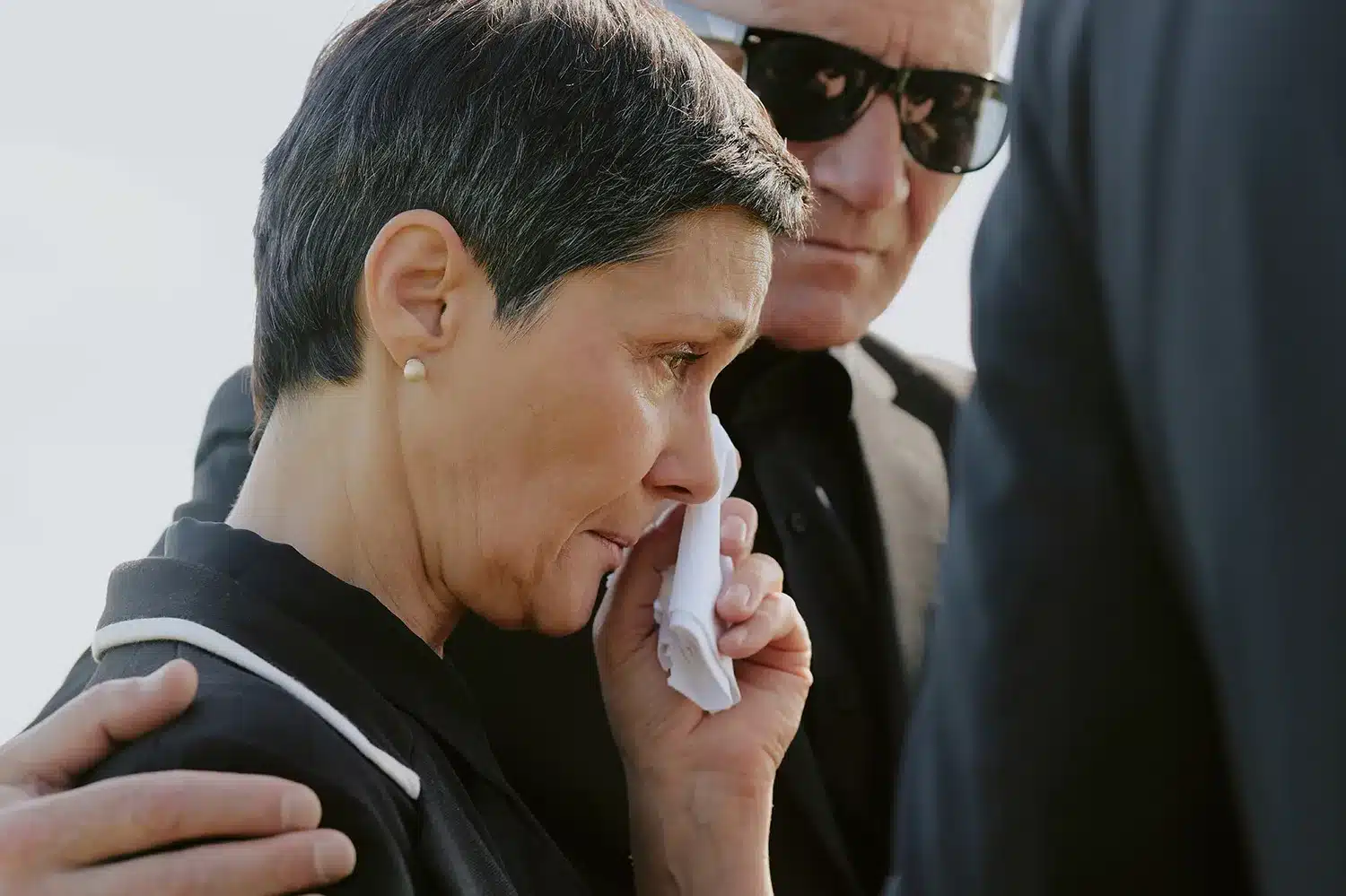
Grieving families often assume they can each file. Florida law says otherwise, and hands the entire claim to one person. Here's who.

When to Contact an Orlando Group Home Abuse and Neglect Lawyer Group homes are intended to create a communal living