

When a commercial truck causes a crash in Orlando or Central Florida, who is liable in a truck accident? Truck accident liability under Florida law extends to both the driver and trucking companies through three legal theories: direct liability (the company’s own negligence caused the crash), vicarious liability (the company is responsible for the driver’s actions during employment), and Florida’s dangerous instrumentality doctrine (vehicle owners are liable for permissive use of their vehicle). This article examines when companies face direct liability and how all three theories work together.
Key Takeaways
- Three Pathways to Liability: Florida truck accident liability can be established through direct corporate negligence, vicarious liability, or the dangerous instrumentality doctrine.
- Direct Company Negligence: Trucking companies can be held directly accountable for negligent hiring, negligent retention, improper driver supervision, poor vehicle maintenance, or pressuring drivers with unsafe corporate policies.
- Vicarious Liability: Under the doctrine of respondeat superior, trucking companies are responsible for a driver’s negligent actions performed within the scope of their employment.
- Crucial Evidence Timeline: Electronic logging device (ELD) data and driver records can be overwritten or destroyed in a matter of weeks or months, making swift legal action essential to preserve evidence.
What Is Direct Liability in Trucking Company Negligence Cases?
Direct liability means the trucking company faces accountability for its own independent negligence, not just because it employed the driver. The company breached a duty of care owed to the public, and that breach led to the collision. Unlike vicarious liability, which imposes responsibility through the driver’s actions, trucking company negligence focuses on what the company itself did wrong. This often involves six key theories:
- When Is a Trucking Company Liable for Negligent Hiring?
A trucking company bears direct liability when it hires a driver it knew or should have known was unfit to operate a commercial vehicle safely. Florida law requires companies to exercise reasonable care in selecting drivers, and failures in this process can establish liability. Examples:
- Hiring a driver with a history of DUIs, reckless driving, or multiple at-fault crashes.
- Failing to conduct background checks, verify CDL status, or complete required pre-employment drug and alcohol testing under Federal Motor Carrier Safety Administration (FMCSA) regulations.
- Ignoring red flags in the driver’s Motor Vehicle Record (MVR), such as suspended licenses or serious traffic violations.
Federal regulations require companies to verify driver qualifications through the FMCSA Pre-Employment Screening Program (PSP), and failure to use available screening tools strengthens negligent hiring claims.
- What Is Negligent Retention in Truck Accident Liability Cases?
Negligent retention occurs when a trucking company keeps a driver employed despite knowing about dangerous conduct, ongoing safety violations, or deteriorating fitness to drive. Unlike negligent hiring, which involves failures before employment, negligent retention addresses red flags that emerge after the driver is hired. Common examples include:
- The driver accumulates multiple speeding tickets, Hours of Service violations, or failed drug tests, but the company takes no corrective action.
- The driver is involved in preventable crashes or near-misses, yet remains on the road.
- Medical conditions arise that impair safe operation, and the company ignores them or fails to re-evaluate the driver’s fitness.
Progressive discipline records or the absence of any corrective action despite documented violations often become the most damaging evidence in negligent retention cases.
- When Does Negligent Entrustment Create Truck Accident Liability?
Negligent entrustment occurs when a trucking company allows a driver to operate a specific vehicle at a specific time, knowing the driver is unfit at that moment. Unlike negligent hiring or retention, which address employment decisions, this theory focuses on situational unfitness at the time of operation.
- How Does Negligent Training and Supervision Lead to Trucking Company Negligence?
Trucking companies have a duty to properly train drivers on federal safety regulations, vehicle operation, cargo securement, and defensive driving. Inadequate training or supervision can establish direct truck accident liability when it results in a crash. These types of failures can look like:
- Failing to train drivers on the Hours of Service regulation leads to driver fatigue.
- Not teaching proper cargo loading and securement, resulting in load shifts or rollovers.
- Failing to monitor driver logbooks or Electronic Logging Device (ELD) data for compliance violations.
- Tolerating or encouraging drivers to falsify logs to meet delivery deadlines.
Federal regulations require documented training programs, and a pattern of inadequate training across multiple drivers can establish systemic negligence beyond a single incident.
- When Is Negligent Maintenance a Basis for Trucking Company Negligence?
FMCSA regulations require trucking companies to inspect, repair, and maintain their fleets. When companies cut corners on maintenance to reduce costs or maximize truck uptime, they are directly liable for the crashes that follow. Negligent maintenance occurs when:
- Trucks are operated with worn brakes, bald tires, defective lighting, or steering system failures.
- Manufacturer recalls are ignored, required inspections are skipped, maintenance records are falsified, or known mechanical defects aren’t addressed.
- The company had actual knowledge of the defect but allowed the truck to remain in service.
Maintenance records are often the strongest evidence in these cases, and companies that destroy or falsify records face both civil liability and potential federal enforcement action.
- Can Corporate Policies Be Tied To Truck Accident Liability?
Some trucking companies create conditions that make crashes inevitable by prioritizing profits over safety. When corporate policies encourage or pressure drivers to violate federal regulations, the company bears direct liability. Dangerous corporate policies that lead to trucking company negligence cases include:
- Unrealistic delivery schedules that pressure drivers to exceed Hours of Service limits.
- Bonus structures that reward speed and mileage over safe driving.
- Dispatch records show the company instructed drivers to violate federal safety rules.
- Failure to discipline drivers who repeatedly break safety regulations.
- Forcing drivers to load cargo hastily creates safety hazards through improper loading, unbalanced weight distribution, or unsecured freight that increases rollover and accident risk.
“In many truck accident cases, the driver was following orders or operating under policies directly set by the company. When corporate negligence creates the conditions for a crash, the company must be held accountable — not just the driver.” Debbie Warner—Warner and Warner.
Can a Trucking Company Also Be Liable Through Vicarious Liability?
A trucking company can also face liability even when it did nothing wrong itself. Under the legal doctrine of respondeat superior (“let the master answer”), also known as vicarious liability, the company is responsible for a driver’s negligent actions during the scope of employment. Scope of employment means the driver was performing job-related duties (making deliveries, hauling freight) during work hours, on a work-related route, and the driver’s actions served the employer’s interests, at least partially. This means injured victims can pursue both direct negligence claims (for the company’s own failures) and vicarious liability claims (for the driver’s actions) in the same case.
How Is Vicarious Liability Established?
- An employer-employee relationship existed, or the driver was acting as the company’s agent.
- When the company truck hit you, the driver was acting within the scope of employment.
- The driver’s negligence is what caused your injuries.
Vicarious liability applies even if the company exercised reasonable care in hiring, training, and supervision. It is a separate theory from direct negligence, and both can be pursued simultaneously.
Does Florida’s Dangerous Instrumentality Doctrine Apply to Commercial Trucks?
Florida’s dangerous instrumentality doctrine establishes a simple principle: vehicle owners are responsible for the negligent operation of their vehicles. When a trucking company owns a truck, it cannot escape liability by claiming the driver was an independent contractor or arguing it did nothing wrong — ownership alone creates responsibility when the company permits the driver to operate the vehicle. This doctrine can also apply when a company leases a vehicle, as Florida courts may treat the lessee as the owner for liability purposes. When a company truck hits you, this doctrine provides an additional pathway to accountability and often combines with direct negligence and vicarious liability claims to maximize recovery.
Frequently Asked Questions About Trucking Company Liability in Florida
These are the questions Orlando and Central Florida truck accident victims most often ask about trucking company negligence and liability:
- Can a Trucking Company be Liable Even if the Driver Was an Independent Contractor? Often, yes. Under 49 CFR § 390.5, federal law defines “employee” broadly to include anyone operating a commercial vehicle under a motor carrier’s authority — regardless of how the company classifies them. Trucking companies frequently use lease arrangements, but Florida courts examine the degree of control exercised, and significant control establishes liability. Florida’s dangerous instrumentality doctrine also imposes liability on vehicle owners regardless of employment classification.
- Can I Sue Both the Driver and the Trucking Company? Yes. In most cases, both the driver and the company are named as defendants. This ensures all sources of liability are pursued and maximizes potential recovery when multiple insurance policies are in play. Even if the driver has minimal personal assets, the trucking company typically carries substantial commercial liability coverage.
- How Quickly Must You Act to Preserve Evidence When a Company Truck Hits You? Immediately. Federal law requires trucking companies to retain driver logs for only six months and inspection and maintenance records for one year after the vehicle leaves the fleet. Electronic Logging Device (ELD) data can be overwritten within weeks. An experienced attorney sends preservation letters within days of a crash to prevent spoliation, and companies that destroy evidence after receiving notice face sanctions and adverse inferences at trial.
Hold Trucking Companies Accountable with Orlando Trial Counsel
Trucking company negligence cases require experienced trial counsel who understand both Florida tort law and federal motor carrier regulations. Warner and Warner investigate all potential sources of liability — driver conduct, corporate negligence, maintenance failures, and regulatory violations. If you or a loved one was injured in a commercial truck accident in Orlando or Central Florida, contact Warner and Warner for a confidential consultation. There is no fee unless there is a recovery.
About The Author

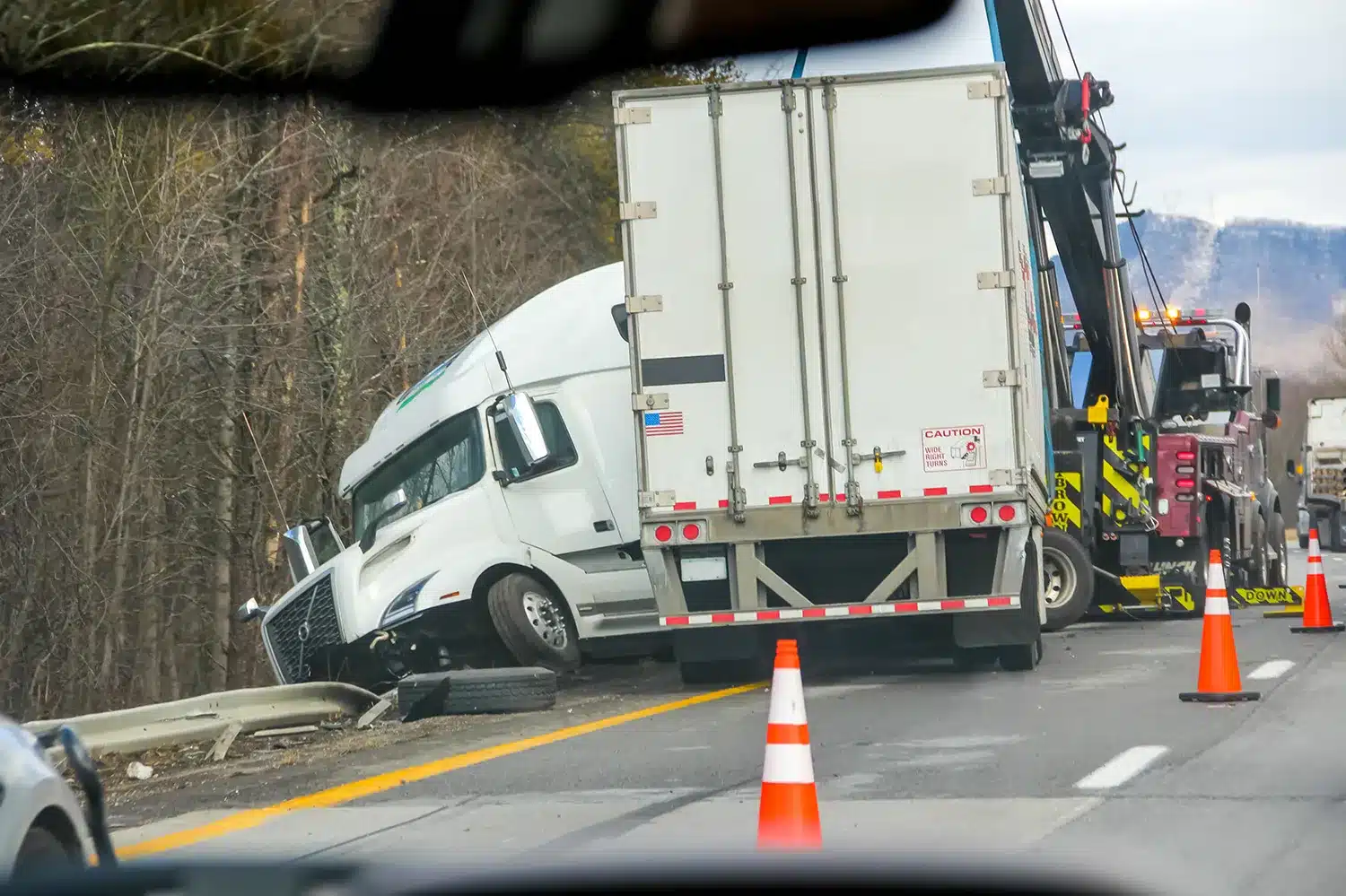
After a commercial truck crash in Florida, liability rarely rests on the driver alone. Learn how trucking companies, cargo loaders, maintenance contractors, and manufacturers can all share the blame, and why identifying every liable party is critical for securing adequate compensation.
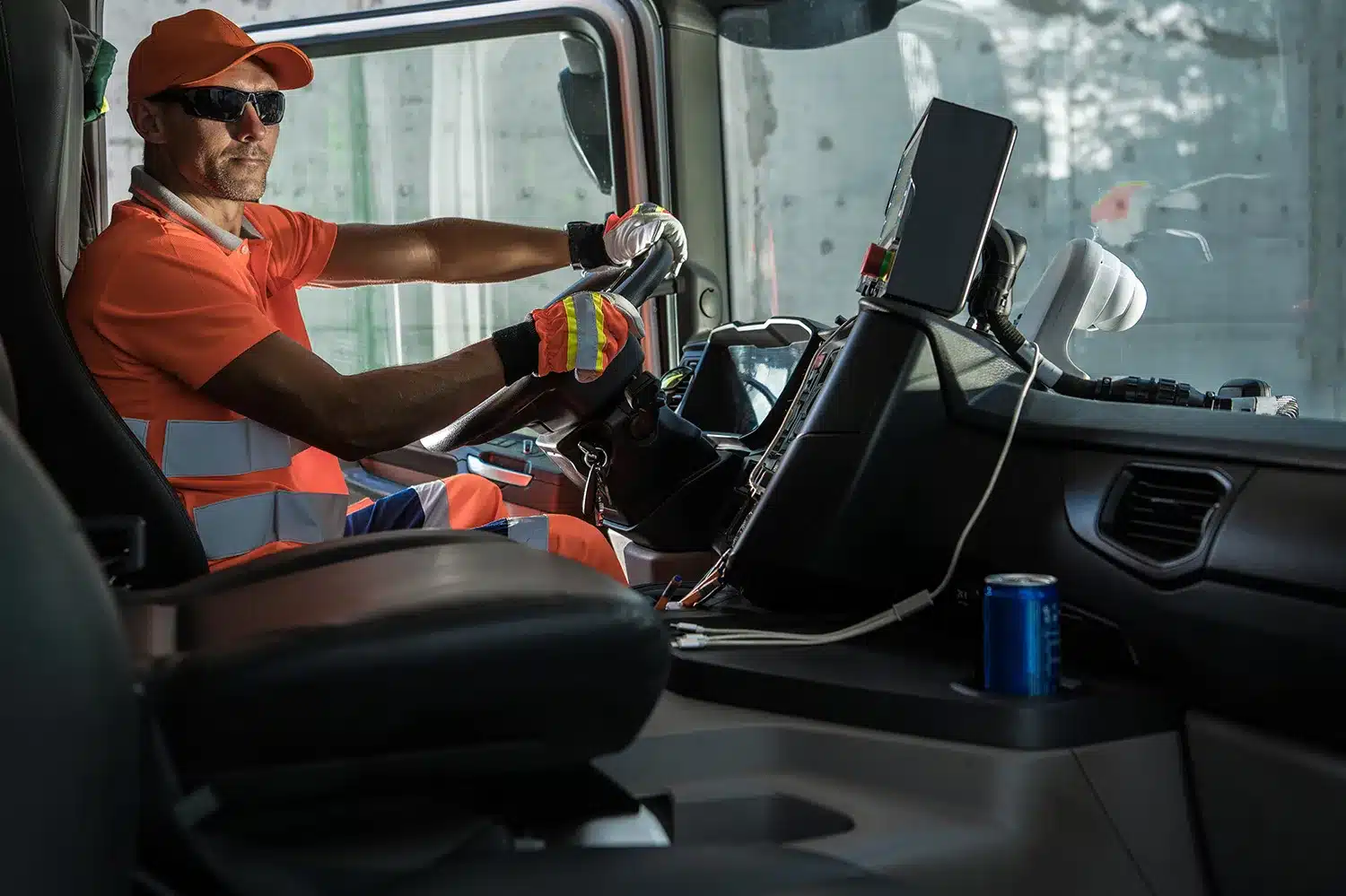
Discover how a commercial truck's ECM black box captures vital pre-crash data like speed and braking to prove driver negligence. Learn why you must act immediately to legally preserve this evidence before the trucking company overwrites or destroys it.

Federal Hours of Service rules and ELD logbook data track a trucker’s exact time on the road. Learn how proving driver fatigue and log violations can strengthen your Florida truck accident claim.