

When a collision involves a commercial truck in Orlando or Central Florida, families often assume the legal process will unfold the same way it does after a standard car accident. That assumption can undermine a claim before it begins. The differences between car versus truck accident claims are substantial—truck accident cases operate under an entirely different framework with federal regulations, corporate defendants, and critical evidence that can vanish within days. Those differences determine what evidence gets preserved, which parties get held accountable, and what compensation families can recover.
4 Critical Differences Between Car and Truck Accident Claims in Florida
Fault is just the starting point in truck accident litigation. The differences between car versus truck accident litigation run deeper—identifying all liable parties, preserving time-sensitive evidence, navigating federal regulations, and countering well-funded corporate defense strategies separate these cases from standard car accident claims. Here is how those differences show up:
- Multiple Corporate Defendants and Complex Truck Accident Liability Chains.
Standard car accidents involve two drivers and two insurance policies. Truck accident cases can involve multiple defendants sharing responsibility, making truck accident liability far more complex than standard car claims. Coordinated defense strategies emerge where each party deflects liability onto others.
Potentially liable parties:
- Truck driver (negligent operation).
- Trucking company (hiring, training, supervision, maintenance failures).
- Cargo loading companies (improper weight distribution or securement).
- Maintenance contractors (substandard repairs or inspection failures).
- Manufacturers (defective components or safety system failures).
- Leasing companies (providing unsafe vehicles).
Multiple parties mean multiple insurance policies, complex settlement negotiations, and corporate defense teams working to minimize each defendant’s exposure. This complexity can feel overwhelming without experienced legal guidance—which is precisely why the truck accident lawyers at Warner and Warner identify all responsible parties through aggressive discovery and hold each defendant accountable under Florida law.
- Federal FMCSA Regulations Create Additional Grounds for Negligence.
One of the most fundamental differences between car versus truck accident cases is the regulatory framework. Commercial trucks operate under federal regulations enforced by the Federal Motor Carrier Safety Administration (FMCSA). When violations occur, they serve as powerful evidence of negligence in truck accident lawsuits—creating liability pathways that do not exist in standard car accident cases. Understanding how these regulations establish truck accident liability is often the first step toward recognizing whether a trucking company failed to meet its legal obligations. Here are four key FMCSA regulations that impact truck accident claims:
- Hours of Service (49 CFR 395) — Drivers face an 11-hour driving limit after 10 consecutive hours off duty, mandatory 30-minute breaks after 8 hours, and 60/70-hour weekly maximums. Fatigued driving remains a leading cause of commercial truck crashes on Florida highways, which is why violations—falsified logbooks, ELD tampering, and forced schedules—create such powerful liability. When electronic records document that a driver exceeded these limits, it can establish negligence per se claims against both the driver and the trucking company.
- Vehicle Maintenance (49 CFR 396) — Trucking companies must document pre-trip and post-trip inspection reports, complete annual DOT inspections, and maintain detailed records of brake, tire, and steering system upkeep. Common violations include ignored brake warnings, deferred maintenance, and skipped inspections. When mechanical failure caused by neglect contributes to crashes, it establishes direct company liability in truck accidents.
- Driver Qualification (49 CFR 391) — Commercial drivers must hold a valid CDL, maintain current medical certifications, participate in drug and alcohol testing programs, and meet background check requirements. Common violations include hiring drivers with suspended licenses or skipping background checks entirely. These violations establish negligent hiring and entrustment claims—legal theories that hold trucking companies directly liable for putting unqualified drivers behind the wheel.
- Cargo Securement (49 CFR 393) — Federal regulations limit truck weight to 80,000 pounds and mandate proper load distribution and securement. Common violations include overweight trucks, improper tie-downs, and unbalanced loads. When these violations cause a load shift leading to loss of control, they prove both the regulatory breach and the direct causal link to the crash—establishing clear liability while also increasing injury severity and truck accident compensation.
Florida courts recognize FMCSA violations as evidence of deviations from the standard of care, making documented violations a critical leverage tool that Warner and Warner can use in truck accident claims.
- Time-Sensitive Evidence Can Be Destroyed Within 48-72 Hours.
In standard car accident cases, evidence remains static—crash scene photos, police reports, vehicle damage, and witness statements do not disappear. In truck accident cases, critical evidence exists in black box data recorders (ECM, EDR, ELD) capturing speed, braking, acceleration, and hours-of-service compliance. This data can be overwritten after federal retention periods expire—six months for driver logs under 49 CFR 395.8, but ECM crash data within weeks or days. Evidence preservation is urgent.
- Much Higher Insurance Policies Drive Aggressive Corporate Defense Strategies.
Commercial truck insurance requirements dwarf passenger vehicle minimums—with no required minimum liability coverage for Florida cars versus policies typically equaling or exceeding $1,000,00.00 for commercial trucks, depending on cargo type. Many trucking companies carry $10 million+ policies to protect against catastrophic jury verdicts. With that much money at stake, Warner and Warner help clients understand what gets deployed immediately after crashes:
- Specialized defense firms with expertise in federal trucking regulations
- Accident reconstruction experts to challenge crash causation
- Medical consultants to dispute injury severity and treatment necessity
- Background investigations searching for prior injuries or comparative fault
- Delay tactics are designed to pressure inadequate early settlements
Recognizing these strategies early helps avoid providing recorded statements before consulting counsel or accepting settlement offers that fall short of what Florida law allows.
Catastrophic Injuries and Available Truck Accident Compensation
Commercial trucks weighing 20-30 times more than cars cause devastating injuries at far higher rates:
- Traumatic brain injuries require lifetime care.
- Spinal cord damage resulting in paralysis.
- Amputations affect mobility and employment.
- Internal organ damage requiring multiple surgeries.
- Multiple fractures with permanent limitations.
- Wrongful death claims under Florida’s Wrongful Death Act.
These injuries exceed Florida’s serious injury threshold (Fla. Stat. §627.737), allowing victims to step outside no-fault and pursue full damages. Truck accident compensation in Florida includes medical expenses (often exceeding $500,000 in catastrophic cases), lost wages and future earning capacity, pain and suffering (no statutory caps in most Florida truck cases), loss of quality of life and consortium, and wrongful death damages, including lost financial support. These injuries can support millions of dollars in potential damages, which often requires Warner and Warner to litigate claims in pursuit of a verdict when corporate insurers refuse a fair settlement.
FAQs We Get About Car vs Truck Accident Claims
These are the questions Orlando and Central Florida clients most often ask about car vs. truck accident claims:
- How Does Florida’s Comparative Negligence Law Affect Truck Accident Claims?
Under Florida’s 2023 tort reform (Fla. Stat. §768.81), if you are more than 50% at fault, you recover nothing. Defense teams aggressively try to shift blame to reduce truck accident liability. If assigned 40% fault, your compensation drops 40%. Experienced attorneys counter through accident reconstruction, black box data, and other evidence.
- How Long Do You Have to File a Truck Accident Claim in Florida?
Two years from the accident date under Fla. Stat. §95.11. However, black box data, driver logs, and maintenance records can be destroyed within days or weeks—long before the statute expires. Waiting even one month can mean losing critical evidence, regardless of filing deadlines.
- What If The Trucking Company Offers an Early Settlement?
Trucking companies often make settlement offers within days, before the full extent of injuries, future medical needs, or lost earning capacity becomes clear. Early offers typically fall far below true value and rarely account for the full truck accident compensation available under Florida law. Consult experienced counsel before accepting.
“The difference between settling for whatever the insurance company offers and recovering the full measure of damages allowed by Florida law often comes down to one thing: whether your attorney is willing to try the case. We are.” — Debbie Warner, Warner and Warner
How an Orlando Truck Accident Lawyer Can Help
When it comes to car vs. truck accident cases, commercial truck claims operate under different legal rules, involve corporate defendants with substantial resources, and require immediate action to preserve time-sensitive evidence. Warner and Warner investigate all potential sources of liability—driver conduct, federal regulation violations, maintenance failures, and corporate negligence—while litigating to and through verdicts when necessary. If you or a loved one has been injured in a truck accident in Orlando or Central Florida, contact Warner and Warner for a free case review.
About The Author

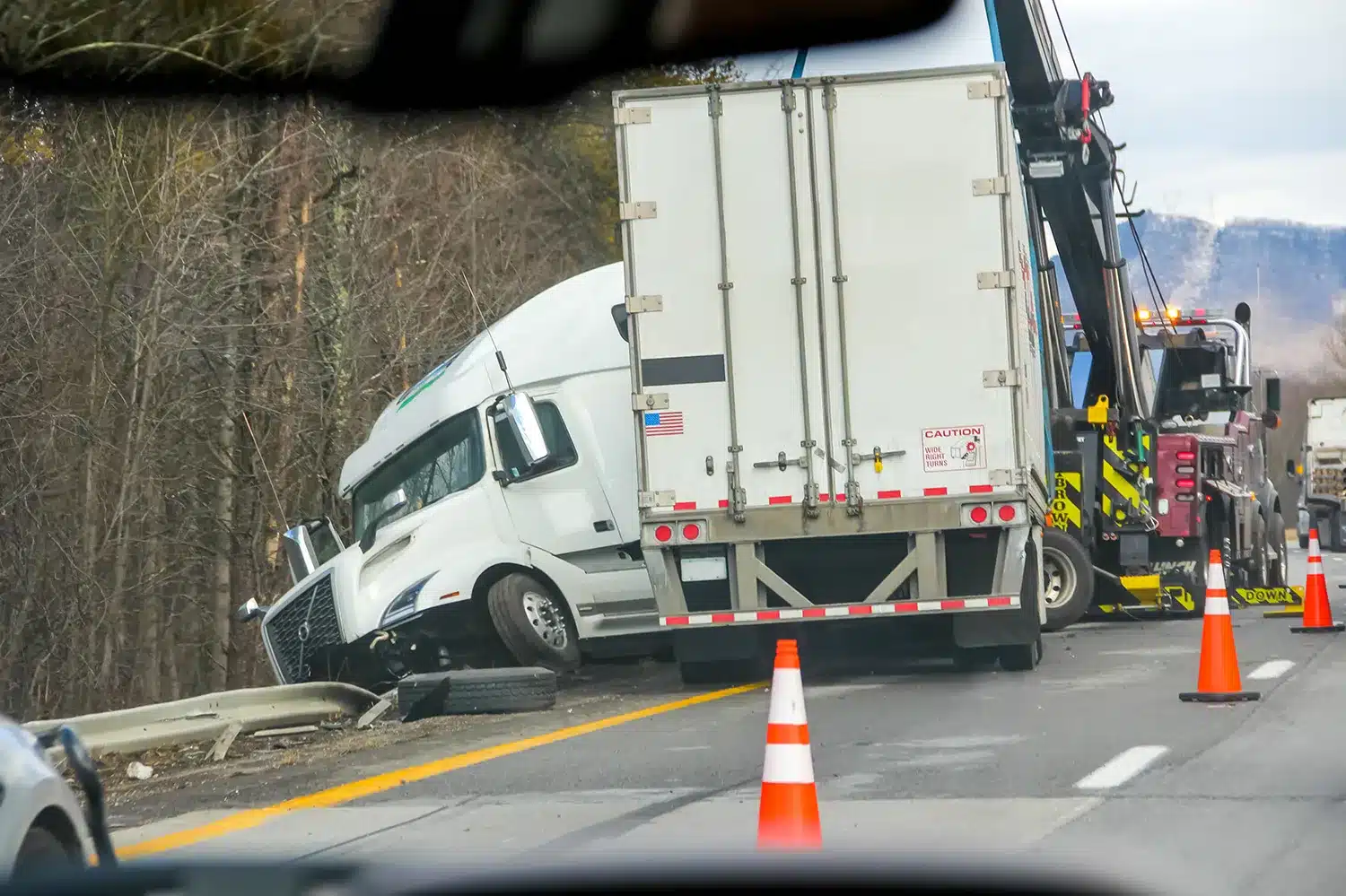
After a commercial truck crash in Florida, liability rarely rests on the driver alone. Learn how trucking companies, cargo loaders, maintenance contractors, and manufacturers can all share the blame, and why identifying every liable party is critical for securing adequate compensation.

Discover how a commercial truck's ECM black box captures vital pre-crash data like speed and braking to prove driver negligence. Learn why you must act immediately to legally preserve this evidence before the trucking company overwrites or destroys it.

Federal Hours of Service rules and ELD logbook data track a trucker’s exact time on the road. Learn how proving driver fatigue and log violations can strengthen your Florida truck accident claim.