The families in Central Florida share I-4 and the Turnpike every day with commercial trucks, trusting that the companies behind them put safety ahead of their schedule. When one of those trucks causes a serious truck accident, that trust instantly breaks, and the first question a family asks is, who did this to us? In the United States, liability in commercial truck accidents rarely rests with a single person, so the more useful question is: who else is responsible? The driver is often only the last link in a chain of decisions made by companies the family never saw, and finding every link is what protects a claim before the trucking company’s team goes to work narrowing it.
Who Shares Semi-Truck Accident Liability in a Florida Crash?
A single semi-truck can be owned by one company, driven by another’s employee, loaded by a third, and serviced by a fourth, with parts built by a manufacturer none of them control. That structure is what sets liability in commercial truck accidents apart from an ordinary car wreck, where fault usually rests with one driver holding one policy. In Florida, semi-truck accident liability can reach every one of those businesses at once, and any of the following may share the blame:
- Is the Truck Driver Liable for the Crash?
The driver is the most visible party, and because a loaded tractor-trailer needs far more room to stop and far more skill to control than a car, a driver’s lapse carries heavier consequences. A driver can be at fault for:
- Driving fatigued or past federal hours-of-service limits.
- Speeding or driving too fast for traffic, weather, or a curve.
- Misjudging a loaded truck’s stopping distance or braking unsafely on a downgrade.
- Texting, eating, or otherwise driving distracted.
- Driving under the influence of alcohol, drugs, or impairing medication.
- Following too closely or merging into a trailer’s blind spot.
- Skipping the required pre-trip inspection that would have caught a hazard.
Sometimes the driver alone is at fault. Often, though, a driver’s negligence is only where an investigation begins, because the choices behind the wheel can trace back to the company that trained, scheduled, and dispatched that driver.
- When Is the Trucking Company Liable?
The trucking company, or motor carrier, is often the party with the deepest responsibility, because it answers not only for its driver but for its own choices. A carrier can be liable for:
- Its driver’s on-the-job negligence, because the driver was acting within the scope of employment.
- Negligent hiring, by putting an unqualified or improperly licensed driver on the road.
- Inadequate training or supervision of the drivers it employs.
- Negligent retention, by keeping a driver with a known dangerous record behind the wheel.
- Negligent maintenance, by skipping required repairs or inspections.
- Pushing delivery schedules that pressure drivers to break federal rest rules.
Good to Know: When failures like these trace back to a trucking company’s own negligence, reaching the carrier is usually what makes a serious injury recoverable. Federal law requires interstate carriers to carry at least $750,000 in liability coverage, and many hold $1 million to $5 million. A driver’s personal auto policy, by contrast, rarely covers commercial operation, so the driver alone is rarely a meaningful source of recovery.
- Can the Cargo Shipper or Loader Be Held Responsible?
When a separate company loads the freight, it owes a duty to secure and balance that load within federal weight and securement standards. An overloaded trailer lengthens the distance a truck needs to stop, and a shifting or improperly strapped load can push a truck into a rollover or jackknife. If improper loading contributed to the crash, the shipper or loader can share liability alongside the carrier.
- Can a Maintenance Contractor Have Liability in a Commercial Truck Accident?
Many carriers hire third-party repair shops to service and inspect their trucks rather than doing the work in-house. When a brake failure, tire blowout, or steering problem traces back to a shop that did the work poorly or missed a known defect, that contractor can be named as a defendant. Repair invoices and inspection records often reveal whether a danger was documented and left uncorrected.
- Can a Manufacturer Be Sued After a Commercial Truck Crash?
When a defective brake system, tire, coupling, or steering component fails and causes the wreck, the company that made the part can be liable under Florida product liability law. These claims matter most in rollovers, jackknives, and underride collisions, where the failure of one part, not the driver, set the crash in motion.
- Which Less Obvious Companies Can Still Be Liable?
Beyond the driver and the carrier, several businesses operate behind the scenes of a single shipment, and any one of them can carry a share of the fault:
- The freight broker who arranged the shipment can share fault for hiring a carrier it knew, or should have known, was unsafe, such as one with a poor federal safety rating or lapsed insurance.
- The trailer owner can be liable separately from the carrier pulling the trailer when the trailer’s own brakes, tires, lights, or coupling fail.
- The company that hired the carrier can bear responsibility when it directed the driver’s work or imposed delivery demands that forced unsafe hours.
Each of these parties tends to surface only through the shipment paperwork, dispatch records, and equipment history, which is why a thorough investigation reaches well beyond the driver and the truck.
- Can a U.S. Government Entity Share Commercial Truck Accident Liability?
A government body can share fault when a dangerous road, a defective signal, missing signage, or a poorly designed work zone materially contributes to a crash. These claims follow strict rules: written notice must reach the agency, and for state claims, the Florida Department of Financial Services, within a set window, and the agency has 180 days to investigate before suit can be filed. Damage caps under Section 768.28 also apply.
Each responsible party a family identifies can bring another insurance policy to the table, and reaching the largest of them, the trucking company’s, is often what determines whether a serious injury is fully covered.
Have More Questions About Semi-Truck Accident Liability in Florida?
Once families see that liability reaches beyond the driver, the same practical questions follow. Here is how Warner and Warner answers the ones Orlando and Central Florida families ask most.
- Is the Truck Driver or the Trucking Company Usually the One Who Pays?
In practice, payment most often comes through the carrier’s commercial insurance rather than the driver’s personal policy, which typically excludes commercial operation. A driver named alone can leave a family with far less coverage than the injury requires, so naming the company is usually what puts adequate insurance within reach.
- What If the Truck Driver Was an Independent Contractor and Not an Employee?
A contractor label does not automatically shield the company. Florida courts look at the real working relationship, including who set the routes, owned the equipment, and controlled the schedule, and federal motor carrier rules can treat the carrier as the driver’s employer even when a contract says otherwise.
- How Is Fault Divided When Several Parties Share the Blame?
Liability in commercial truck accidents is shared through Florida’s modified comparative negligence rule under Section 768.81, amended by House Bill 837 in 2023. A jury assigns each party, including the injured person, a percentage of the blame that adds up to 100 percent, and each defendant pays only its own share. The injured person’s recovery is reduced by their own percentage, and anyone found more than 50 percent at fault recovers nothing.
- How Do Trucking Companies Try to Reduce What They Pay?
One common tactic is to blame an “empty chair,” a party never named in the lawsuit, which Florida courts call pointing to a Fabre non-party. Because each defendant pays only its own share, fault pinned on someone outside the case comes off the family’s total instead of shifting to the others. Answering that tactic depends on evidence that fades fast, from a truck’s black box data to a driver’s federal logbooks, so acting early protects both the proof and the recovery.
- How Long Do Families Have to File a Semi-Truck Accident Claim in Florida?
Since House Bill 837 took effect on March 24, 2023, most negligence claims must generally be filed within two years, a shorter window than many families expect. Acting well before that deadline also protects evidence that can disappear within days.
“Families come to us certain the driver is the whole story, and they are almost always surprised. When we trace the crash back to the company that pushed an impossible schedule, the case, and what their family can recover, looks entirely different.” — Debbie Warner, Warner and Warner.
After a Commercial Truck Crash, Warner + Warner Stands With Central Florida Families
An injured family should not have to untangle the web of companies behind a commercial truck crash while they are trying to heal. Liability in commercial truck accidents can reach many companies at once, and Warner and Warner’s experienced trial attorneys pursue accountability and recovery from every one of them for Central Florida families. See how the firm has helped families like yours in its case results and testimonials, and if you or a loved one was hurt in a commercial truck crash, contact Warner and Warner for a confidential consultation.
About The Author

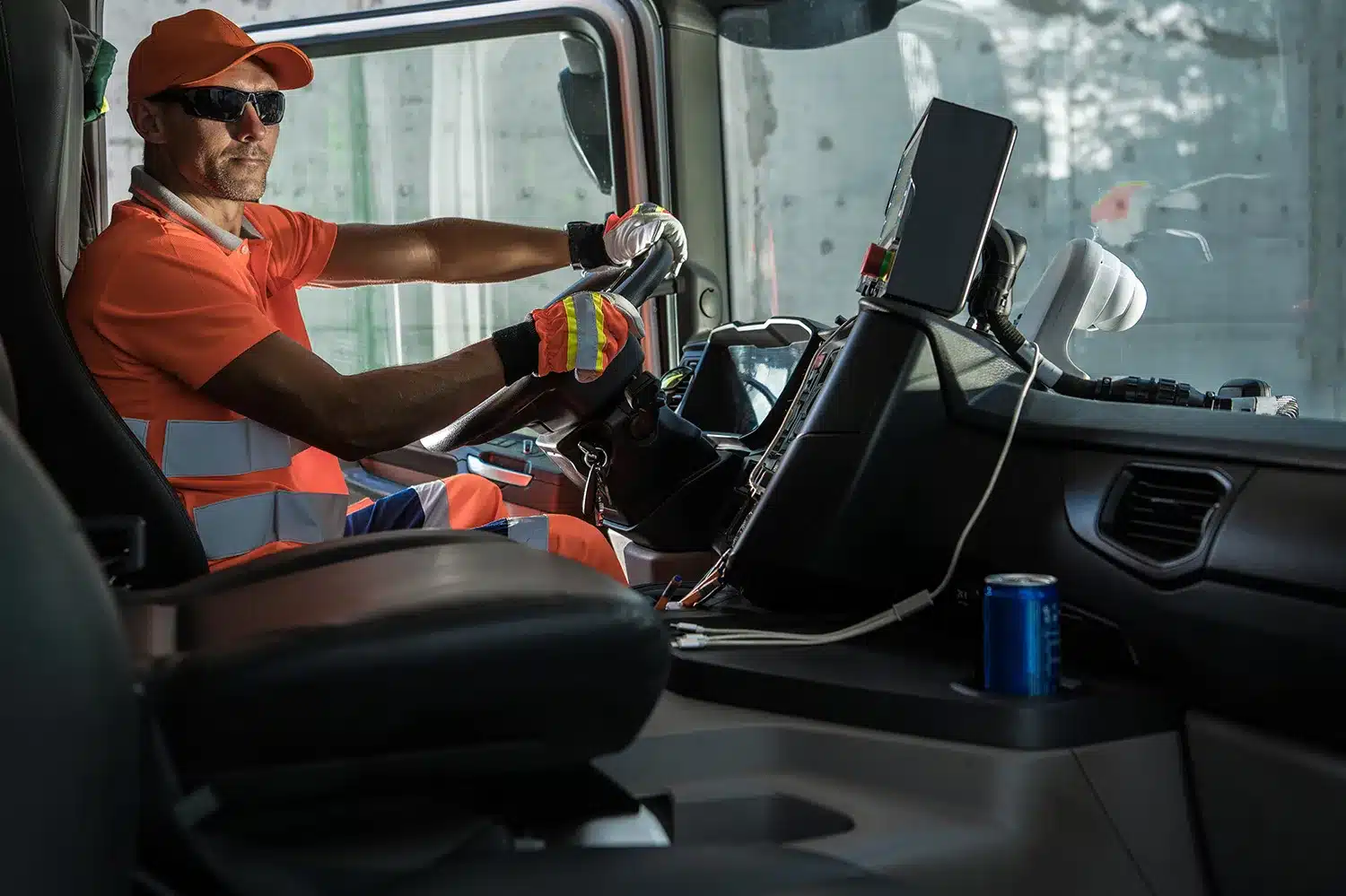
Discover how a commercial truck's ECM black box captures vital pre-crash data like speed and braking to prove driver negligence. Learn why you must act immediately to legally preserve this evidence before the trucking company overwrites or destroys it.

Federal Hours of Service rules and ELD logbook data track a trucker’s exact time on the road. Learn how proving driver fatigue and log violations can strengthen your Florida truck accident claim.
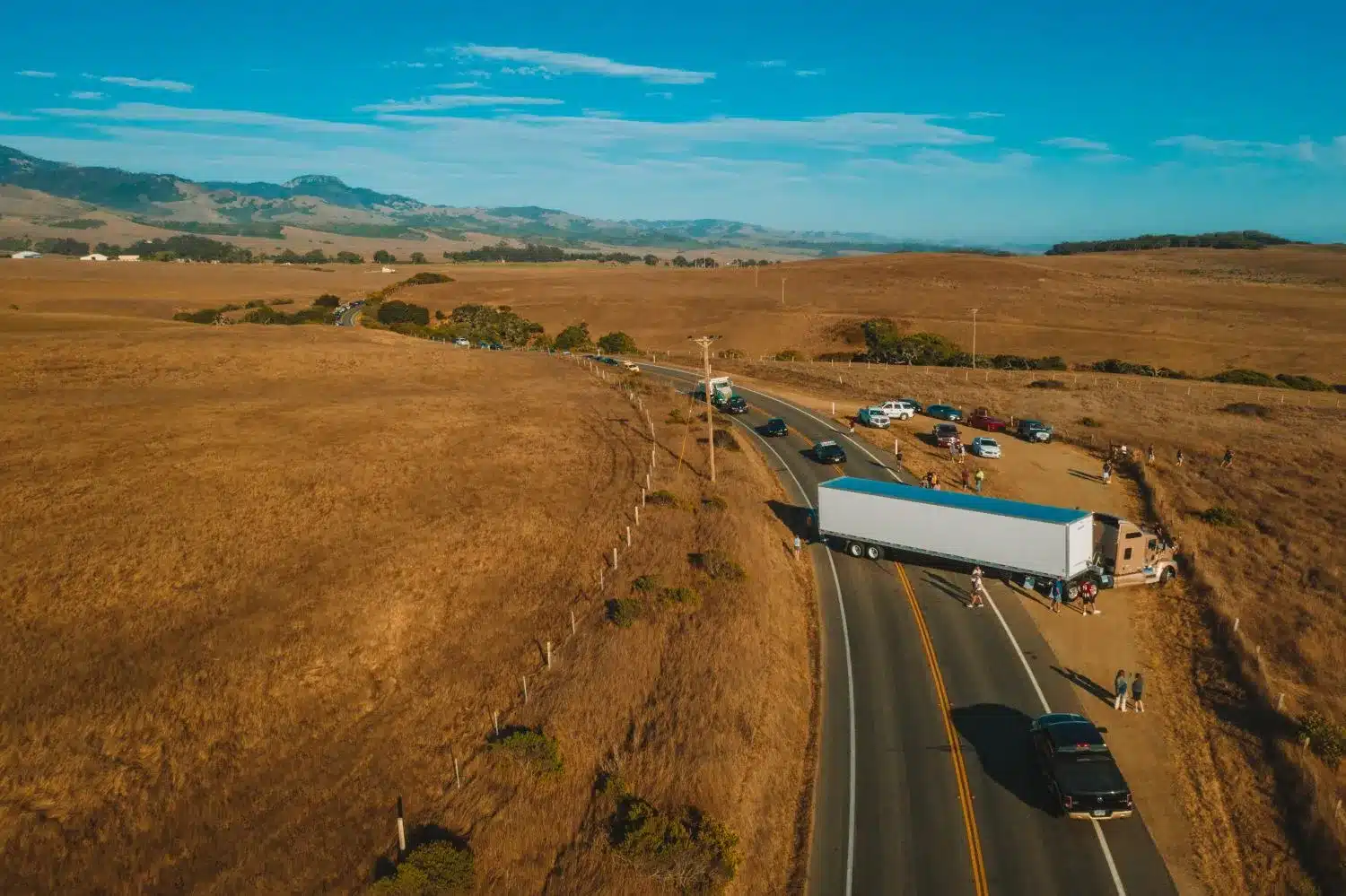
The assumption that truck accidents work like car accidents undermines claims before they begin. Here's what actually makes them different.